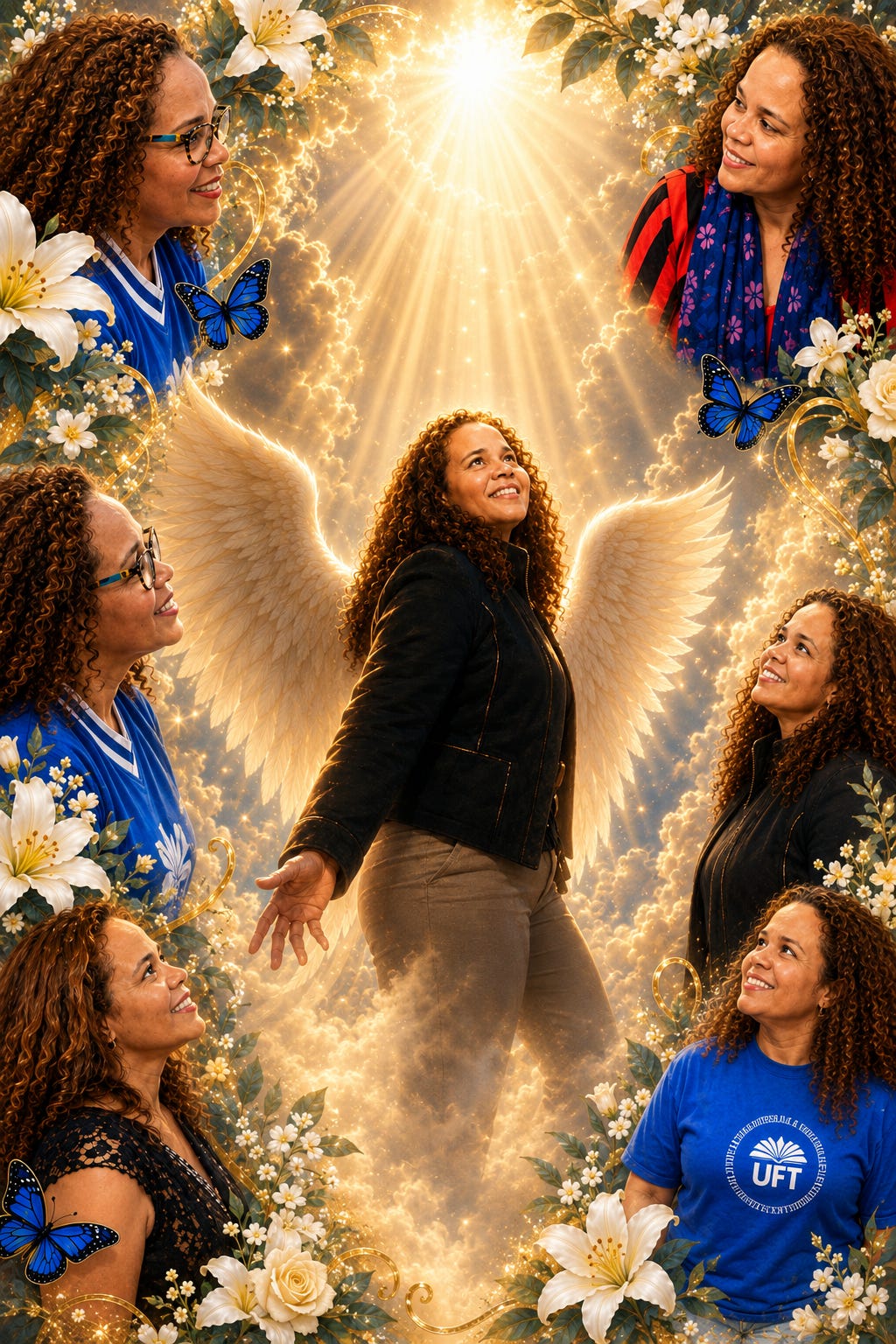
Ilyana Frias: A Unionist, an Advocate, a Sister — and Simply Irreplaceable

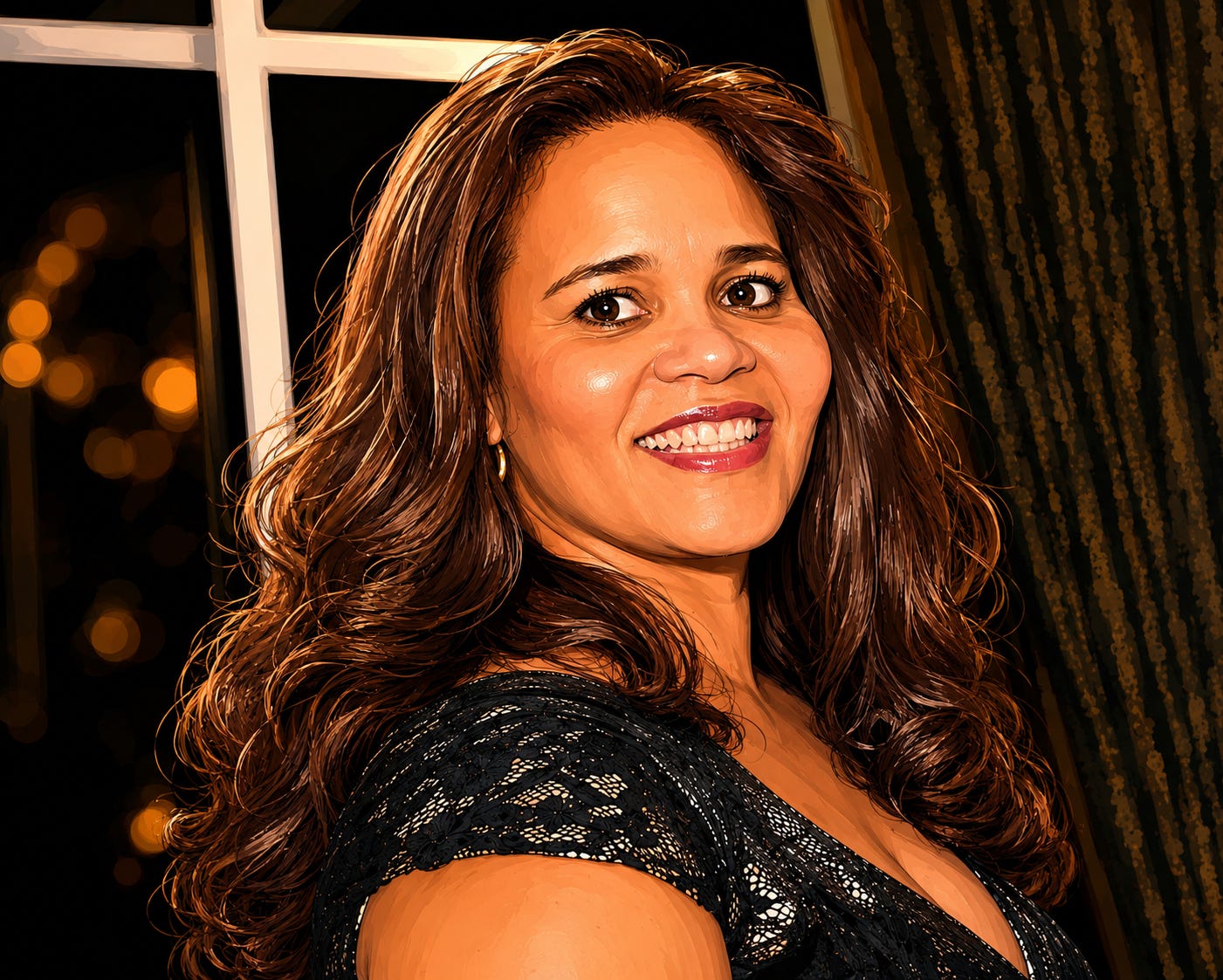
Some people work for the union. Some people serve the union. And then there are those rare people who become part of its heartbeat. For District 75, Ilyana Frias was one of those people.
I met Ilyana Frias in Princeton, New Jersey.
We were both chapter leaders then, attending chapter leader training and trying to absorb all the information being bestowed upon us over those weekends. I remember those trainings, but what I remember even more vividly are the train rides home on New Jersey Transit.
That was where the real debrief happened.
We would recap what we had learned, talk about our chapters, question things, laugh, debate and probably solve a few union problems before the train ever made it back to New York.
It was during those rides that I first realized just how brilliant Ilyana was as a unionist.
She understood people. She understood power. She understood what it meant to represent someone who was counting on you to be their voice when they felt like they didn’t have one.
And Lord knows, she understood how to have a good time.
Ilyana was my coworker. She was my friend. She became my sister.
And losing her after her courageous battle with cancer leaves a space in our union family that simply cannot be filled.
We Grew Up in This Union Together
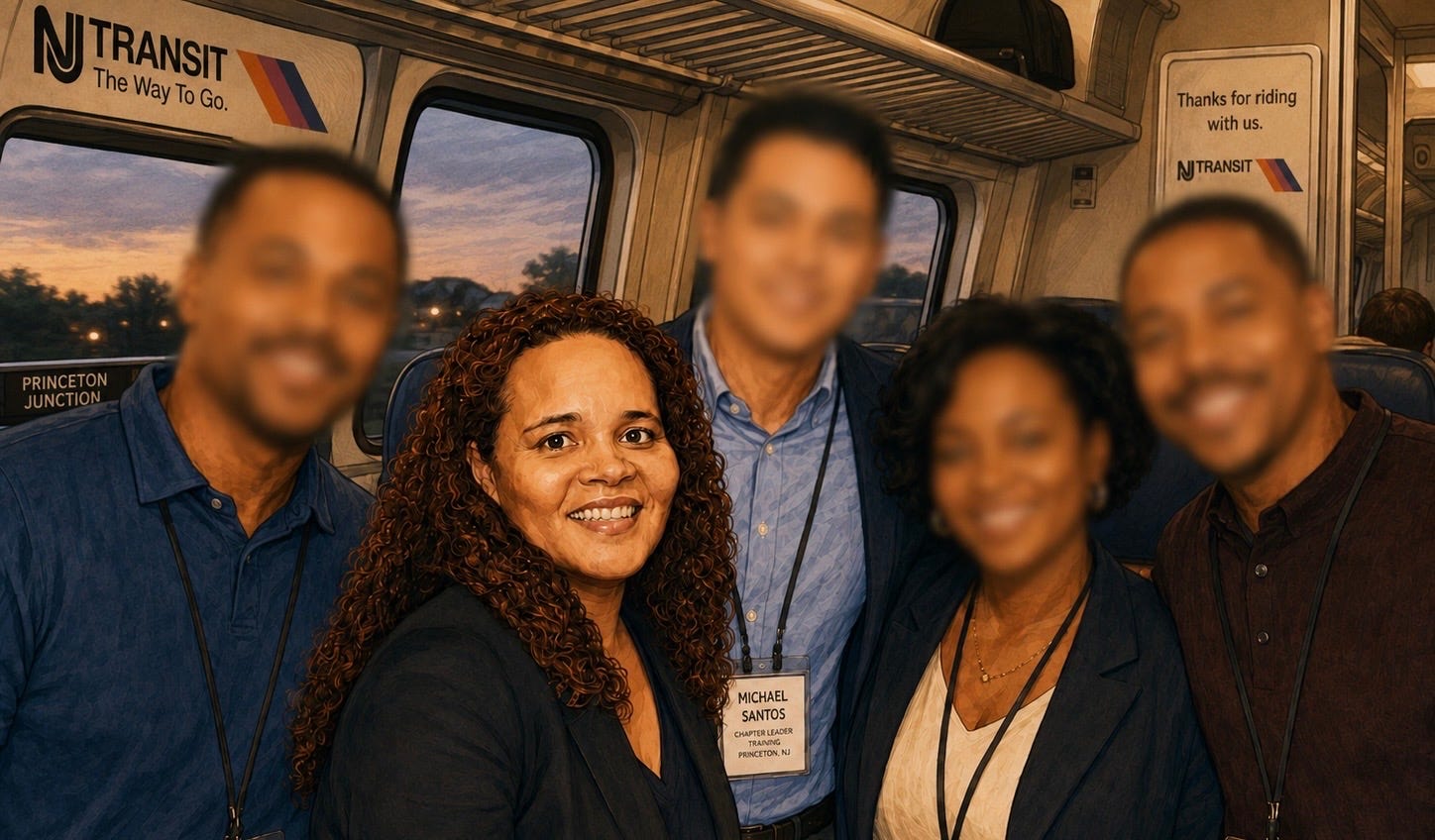
There was a group of us just getting started ans union leaders around that time: Michael Santos, Ilyana Frias, Roderick Palton, Khiera Kersey Heggs and me.
We got to know one another pretty well.
Looking around years later, it is remarkable to see how everyone grew and matured into different roles within education. We didn’t know exactly where the journey would take us back then.
But I knew Ilyana was going somewhere.
She started her career as a paraprofessional, and she remained a paraprofessional throughout her career.
And I want to emphasize that because Ilyana taught me something important.
There is sometimes an assumption that paraprofessionals are paras because they lack the qualifications to become teachers. Ilyana completely shattered that assumption for me.
She had the ability. She had the intelligence. She had the knowledge. But she had her children early in life, and remaining a paraprofessional made sense for her family and her circumstances.
She also showed me something our school system should never forget:
Paraprofessionals are the backbone of our classrooms.
Ilyana didn’t need another title to validate her intelligence or her importance.
She became a chapter leader while working as a para, which is how our paths crossed. Eventually, I watched her and Michael Santos move into advocate roles, and I watched the investment this union made in developing their leadership come back one hundredfold.
Ilyana ultimately served as a District 75 advocate for Brooklyn.
And she was damn good at it.
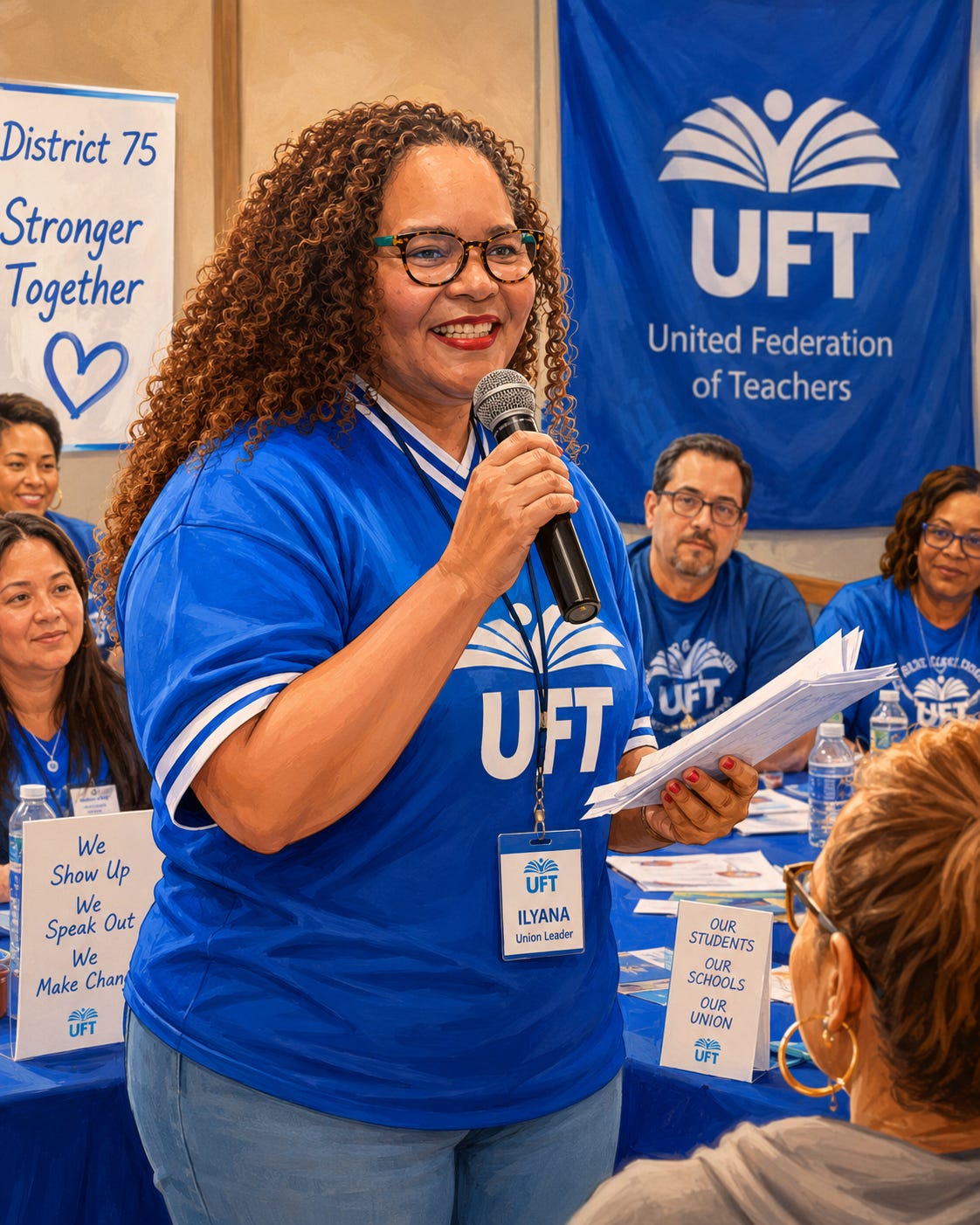
Straight, No Chaser
When I began my role with the UFT, I was excited that I would have the opportunity to work alongside Ilyana in Brooklyn.
We were tough on each other.
That’s what happens when two people care deeply about the work and aren’t afraid to tell each other the truth.
I learned tremendously from her because Ilyana didn’t sugarcoat things. She gave it to you straight, no chaser.
And if Ilyana represented you, you knew exactly what you were getting.
An advocate.
Not someone who was going to sit quietly while a principal ran over a member. Not someone who accepted “no” simply because somebody in authority said it. Not someone who forgot whose side she was supposed to be on when things became uncomfortable.
She was there for the member.
Period.
I remember visiting one District 75 school where we were encouraging the staff to understand the power of their collective voice and to use it to push back when necessary.
Eventually, the principal requested that we attend a school community meeting.
During that meeting, the principal decided to take a shot at me. She suggested that I didn’t understand the school’s climate or the needs of its students and then made a remark about having “suits” coming into the building trying to disrupt their flow.
She didn’t get very far.
Before she could even finish, Ilyana stepped in.
And let’s just say that by the time Ilyana finished responding, that principal was eating a healthy serving of humble pie in front of her staff.
The backpedaling began almost immediately and continued when we met privately afterward.
That principal learned two important lessons that day.
First, if you planned on coming for Ilyana or one of her colleagues, you had better come prepared.
Second, Ilyana Frias was ride-or-die for this union and the members she represented.
That wasn’t a slogan for her.
That was how she lived.
Her Advocacy Didn’t Stop at the Schoolhouse Door
Ilyana’s sense of justice extended far beyond District 75.
She loved Brooklyn. She loved the communities that raised her. And she was deeply concerned about what gentrification was doing to neighborhoods and families that had built those communities long before they became desirable to newcomers and developers.
She served with community organizations and stayed actively involved in the issues affecting the neighborhoods she loved.
I learned firsthand that this was another subject on which Ilyana did not play.
We were once waiting for food in a restaurant, talking about how dramatically the neighborhood had changed and how parts of it no longer seemed designed to serve the community that had historically lived there.
A woman nearby decided to jump into our conversation and challenge what we were saying. She talked about how much she loved the neighborhood as it was.
Well…
She picked the wrong conversation.
Ilyana proceeded to give that woman an education on community, displacement and gentrification right there in the restaurant lobby.
That was Ilyana.
There was no switch she flipped to become an advocate when she arrived at work.
She was an advocate.
Dominican. Brooklyn. Union. Family.
Ilyana knew exactly who she was.
Not only did she represent the Dominican Republic hardcore, but she was proud to be an Afro Latina claiming her black ancestry.
She was funny as hell.
She was blunt when business needed to be handled.
She was hardheaded.
She was the life of the party.
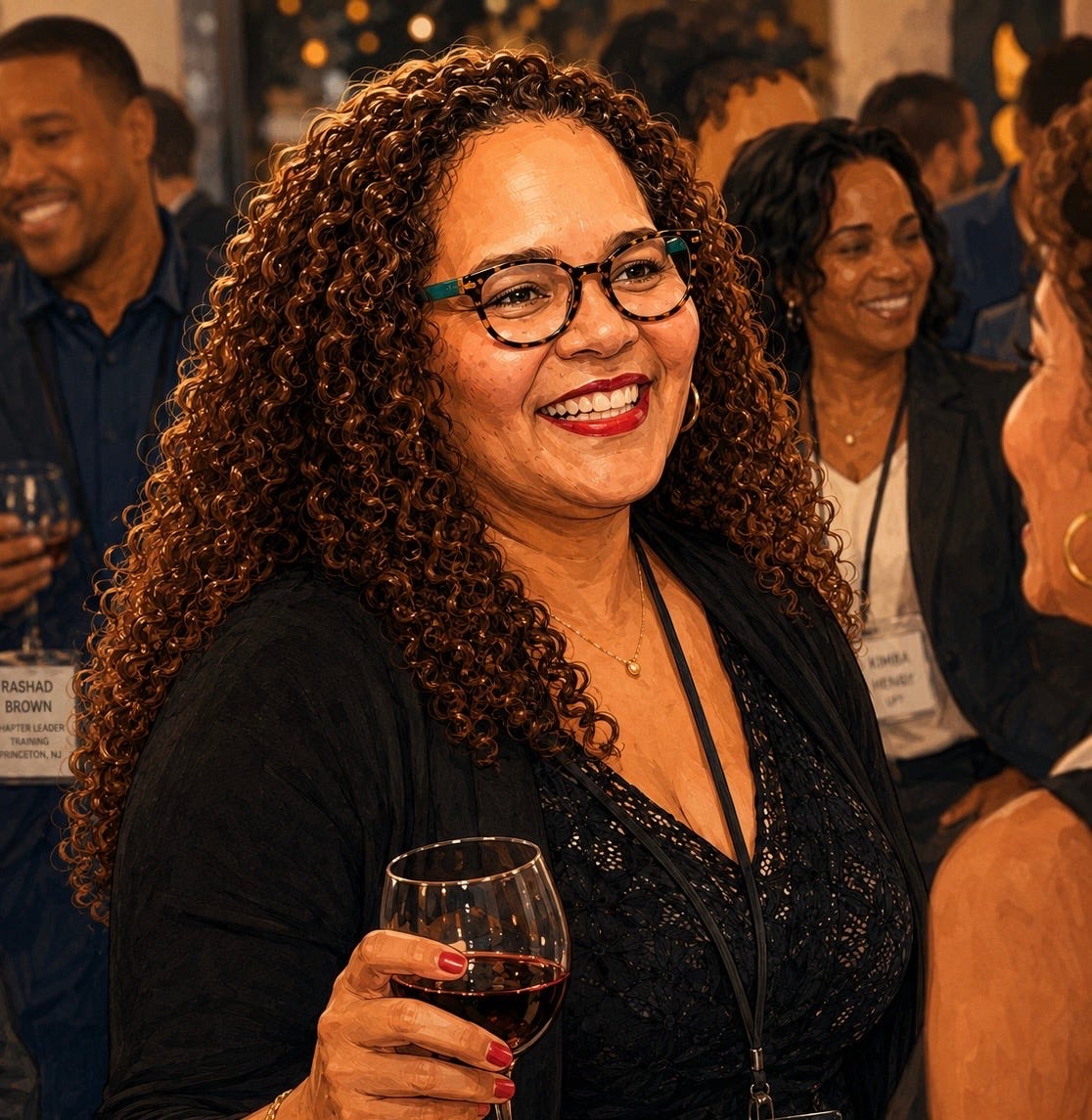
And she was beautiful—not simply physically, although she certainly was—but spiritually.
Ilyana was also a fierce ally of the LGBT community. With one of her sister’s children being a part of the community, she understood that advocacy wasn’t abstract. These were people she loved, and when Ilyana loved you, she defended you.
Family meant everything to her
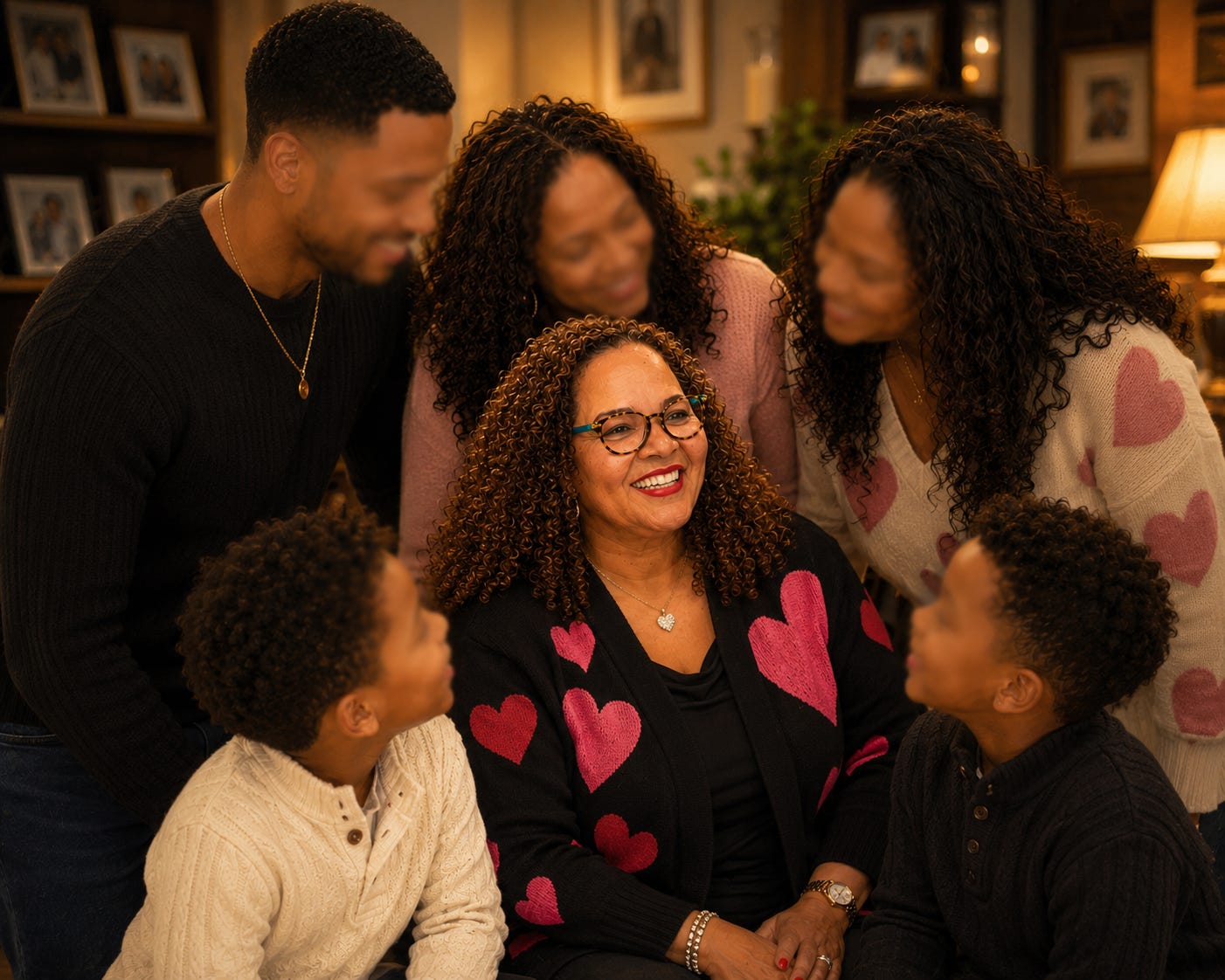
Her daughters, Imani and Thalia, her son, her grandchildren, her sisters, including her sister Pat, and the entire family were at the center of her world.
And Ilyana’s definition of family wasn’t limited to blood.
Michael Santos was her union brother, but blood couldn’t have made the two of them much closer.
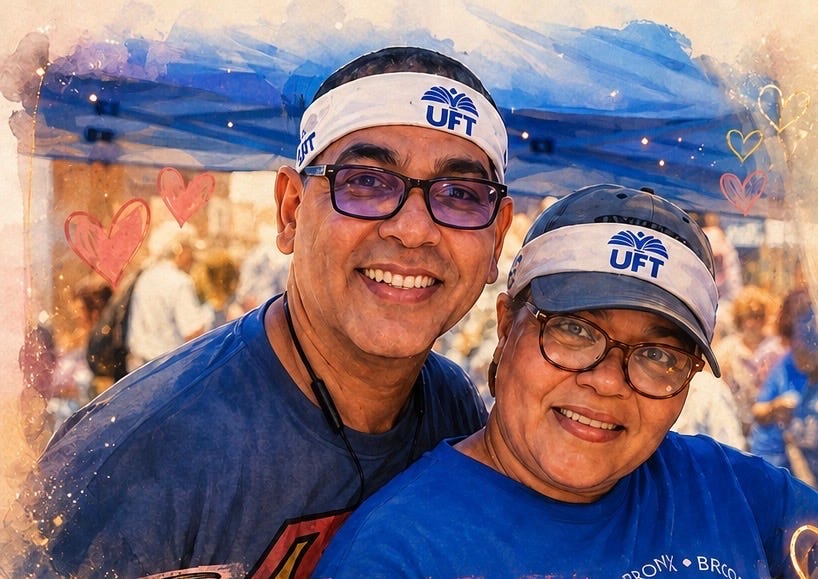
When someone in her family struggled, Ilyana didn’t stand on the sidelines. She rallied everybody. When one family member faced mental-health struggles, she helped mobilize the family around that person with love and support.
That’s what she did.
She showed up.
For family.
For friends.
For members.
For community.
For us.
She Kept Showing Up
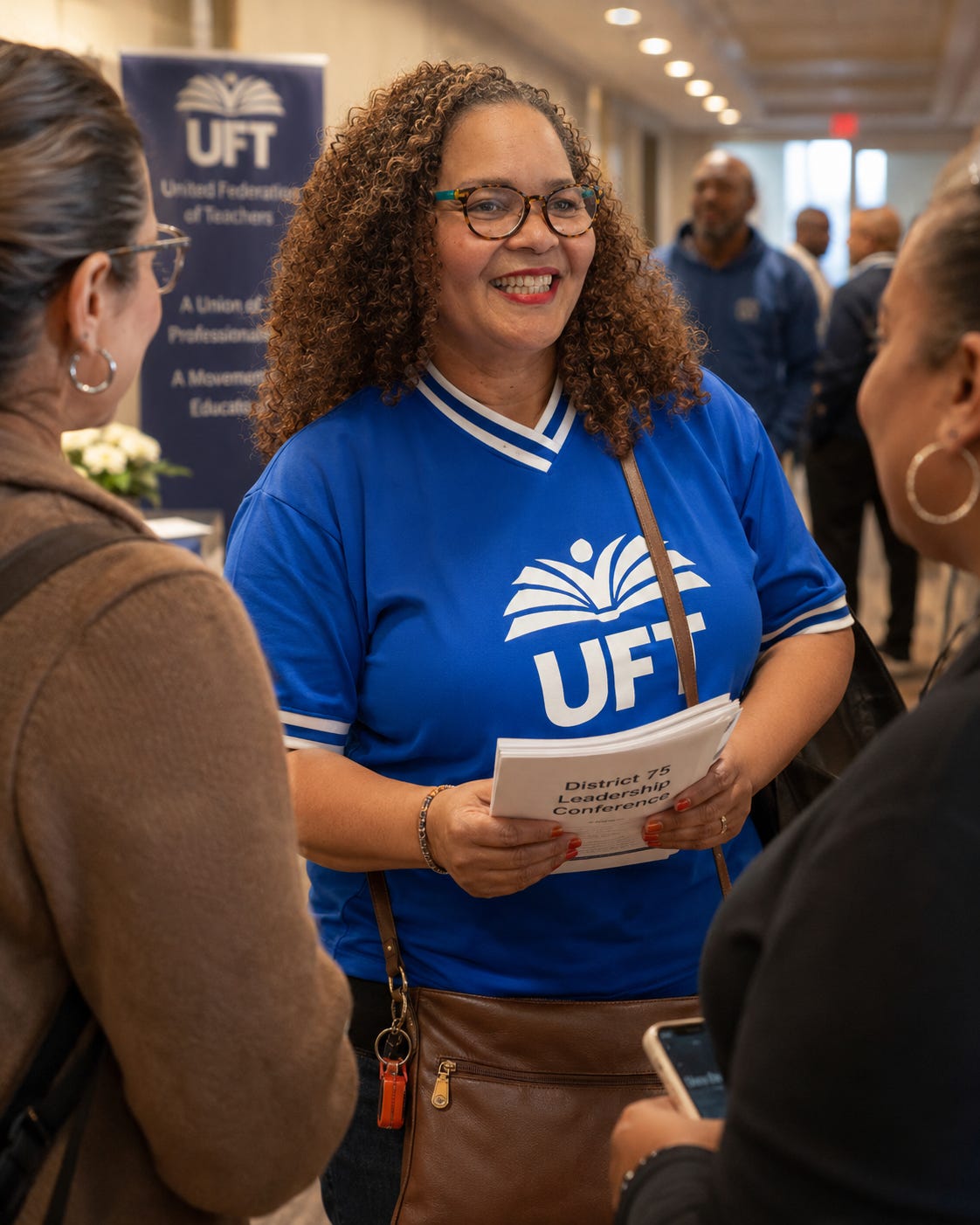
And perhaps that is what makes the final chapter of Ilyana’s life so difficult for me to comprehend.
Ilyana battled cancer more than once.
And more than once, she beat it.
She was determined that this disease was not going to define her life.
Even as her illness became more serious, she continued working. She continued representing members. She continued carrying responsibilities that would have overwhelmed people who weren’t fighting for their lives at the same time.
I have never witnessed someone work as hard while terminally ill as Ilyana did.
She worked virtually until her deathbed.
There is something inspiring about that level of dedication. But there is also something about it that should challenge all of us who remain.
Because Ilyana gave this union everything she had.
Her knowledge.
Her voice.
Her time.
Her fight.
And, even when her body was demanding that she focus on herself, she was still thinking about somebody else’s problem that needed to be solved.
She would work and overwork herself for the satisfaction of knowing that a member had been helped.
The UFT is indebted to Ilyana Frias.
She left this union better than she found it.
The Leader She Already Was
Ilyana aspired to become a District Representative, and at one point put herself forward for the role.
But whether or not the title ever followed, the work already had.
In Brooklyn, the lines between where her responsibilities ended and where district leadership began could sometimes be difficult to see. Chapter leaders called on her for guidance. She helped train them, supported them through difficult situations and made sure they understood not only what the union could do, but how to do the work themselves.
Members called her when they needed representation, when something did not seem right, or simply when they did not know where else to turn. Ilyana had a way of making their problem her problem until it was resolved.
And she did not reserve that advocacy for people who agreed with her.
Ilyana was a longtime Unity member and a fierce champion of the union, but when a member needed representation, that member was her member, regardless of their caucus affiliation. She would defend you when you were right, tell you when you were wrong, and sometimes do both in the same conversation. Whatever political disagreements existed within the union, they never determined how fiercely she would represent you. Her loyalty to the union never required her to stop holding it—or any of us—accountable.
That was Ilyana.
She built relationships across titles, caucuses and across the district. She challenged administrators when necessary, advised colleagues who sought her counsel and stepped in wherever the work required her. She was rarely concerned with whether something technically belonged to her.
She was concerned with whether somebody needed help.
There are titles that make someone a leader.
And then there are people whose work makes the title seem like a formality.
Ilyana was the latter.
The members who trusted her knew it.
The chapter leaders who relied on her knew it.
The administrators who encountered her knew it.
And those of us who worked alongside her certainly knew it.
Ilyana spent years showing us who she was as a leader.
District 75 is better because she was there.
What I Wish I Had Told Her More
There is something I wish I could tell Ilyana now.
I watched you.
Maybe I didn’t always say it, but from afar, I watched and admired the way you maneuvered through life, work and happiness.
I admired your bravery.
I admired your fight.
I admired your ability to carry so much and somehow keep going.
I wish I could have been there every step of the way as you fought this final battle. But that wasn’t you. You didn’t want to burden people with what you were going through.
Even when you needed people, you were still worried about everybody else.
So let me say what I need you to know now.
I love you, Ilyana.
There will never be another you.
Nobody can fill your shoes, and perhaps we shouldn’t try.
Instead, those of us who had the privilege of knowing you should carry pieces of what you taught us into the work that remains.
We should advocate a little harder.
Speak a little more directly.
Stand a little firmer when somebody tries to intimidate one of our members.
Make room for the paraprofessional whose leadership somebody else might overlook.
Protect our communities.
Defend people who need an ally.
Laugh loudly.
Love our families fiercely.
And every now and then, give somebody the truth straight, no chaser.
And Ilyana, don’t worry about your babies.
Don’t worry about your children.
Don’t worry about those grandchildren.
The people who love you know how fiercely you loved them. We will make sure they continue to be surrounded and showered with the love you wrapped around them throughout your life.
That’s part of our responsibility now.
ILYANA FRIAS
When I think of Ilyana, four words immediately come to mind:
Dedication. Superwoman. Role model. Advocate.
But one word could never contain her.
So perhaps her name itself can remind us of what she gave us:
I — Irreplaceable
Because there simply will never be another Ilyana.
L — Loyal
To her family, her friends, her community, her members and her union.
Y — Youthful
In spirit, humor and her ability to bring life into a room.
A — Advocate
Not merely something she did. It was who she was.
N — Never-yielding
Because “no” was rarely the end of the conversation when Ilyana knew something wasn’t right.
A — Authentic
Straight, no chaser. What you saw was what you got.
F — Fearless
Whether facing an administrator, confronting injustice or battling cancer, fear never got the final word.
R — Resilient
She fought, recovered, returned and kept showing up.
I — Inspiring
To paraprofessionals, chapter leaders, advocates, colleagues, friends and everyone who watched her work.
A — Audacious
Bold enough to challenge authority, expectations and sometimes anybody unfortunate enough to interrupt the wrong conversation in a Brooklyn restaurant.
S — Superwoman
Not because she never struggled, but because somehow, through struggles most of us could barely imagine, she kept finding the strength to fight for somebody else.
Ilyana Frias was a paraprofessional.
A chapter leader.
A District 75 advocate.
A Dominican woman fiercely proud of where she came from.
A Brooklyn community advocate.
A unionist.
A mother and grandmother.
A sister.
A friend.
My sister.
She fought for her members until she no longer could.
And now it falls to those of us who remain to make sure the work—and the love—continue.
Rest well, Ilyana.
You’ve fought enough.
We’ve got it from here.